




An Interview with John Wineland

Where are you from, John?
I was born and raised in Altoona, PA. My father’s family goes back many generations in the local farming community. There is a “Wineland” street in Martinsburg. My wife Paula is also from western Pennsylvania – Greensburg, closer to Pittsburgh.
Then how did you end up in this neck of the woods?
I came to Philadelphia in 1969 to pursue a Ph.D. in history. I fell in love with both history and Philadelphia and decided to stay.
After working as a director of undergraduate admissions at The University of Pennsylvania, I moved into law firm administration and ultimately worked at Drinker for many years. I retired at 70 in 2010 as Director of Practice Group Administration. By then the firm had 700 lawyers, 16 practice groups, and 12 offices.
How did you get involved in ECS?
I was raised as a hardcore fundamentalist in an independent Baptist church. Its mission was exceedingly insular. After college in the early 1960’s I converted to the Episcopal church and was highly active as a lay minister in the Chicago diocese. I recently read Bishop Budde’s (Washington, D.C.) book How We Learn to be Brave. She speaks of that transition – moving from an evangelical internal focus to the larger world. Given my background, I had so much to learn about the “real world” – but also how limited we are.
And you eventually joined the ECS board?
I wanted to serve in some meaningful way. Spencer Wright, an early pillar of ECS from the 1950’s, and a very generous supporter, was a business contact and friend. He set up a lunch with then Executive Director, Bob Betts. It was an instant friendship. I joined the Finance Committee, then the Board of Trustees. When it came time for Ray Welsh, Board President to rotate off the board, Betty Cecil, a fellow Trustee, nominated me and asked me to stand for President.
Did you aspire to be Board President?
Clearly not! I was thoroughly intimidated and awed by the question – and by the notion that Bob Betts was going to retire. But my ECS years became among the most meaningful in my life – including the sense that we were not only making great strides to help individuals in need, but also trying to address and develop remedies for the underlying problems. I remember how excited we were the day we approved the purchase and rehabilitation of St. Barnabas. I also remember visiting many local churches and after-school programs and collaborating with dedicated staff who’d had years of experience and knowledge. Bob was a true professional in social services and taught me much. We attended the national conference of the Child Welfare League in Washington, D.C. together. I visited many parishes for “ECS Sundays” – and was encouraged to see the ECS mission so widely accepted. Indeed, ECS does address important issues.
Overseeing the transition of Executive Directors at ECS while I was Board President was a big job. My wife and I were both juggling demanding careers and we had a young child at home at the time. Fortunately, John Midwood, who had been Associate Director, quickly assumed the reins and did a superb job as leader. My Board President successors, Cliff Kozemchak, and Kurt Brunner were more than ready to take over.
Some of ECS’ programs have evolved since you were on the board. How do you feel about that?
Yes. ECS is much different today but still provides strong and creative leadership in the realm of reducing poverty. Philadelphia is the poorest of the ten largest cities in the US. Why is that? How and what can we do about it? It has been exciting to watch successive boards and staff take up these issues with fresh enthusiasm, new strategies, and determination.
What would you say to others considering supporting ECS?
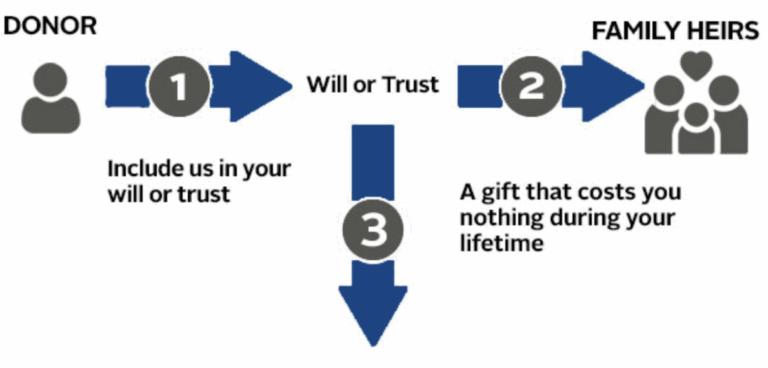
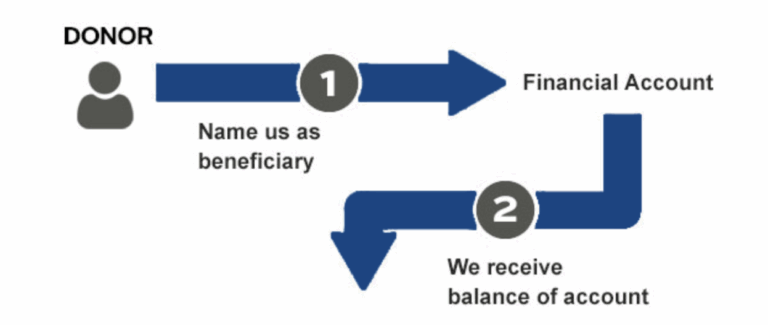
The social work ECS provides to those in need can only happen with the support of a strong donor base. In addition to our yearly contribution, my wife Paula and I made a decision some years ago to join the City Mission Legacy Society—ECS’ planned giving society. For those who are able, we encourage all dedicated supporters to consider doing the same